Our Land and Wildlife
A landscape worth protecting
Blackbird Forest Animal Sanctuary is part of a landscape rich in native wildlife, where woodlands and wetlands provide habitat for a remarkable variety of species. Bordering Blackbird State Forest, our surrounding natural environment supports birds, amphibians, reptiles, and other wildlife, each playing a role in the health of the ecosystem.
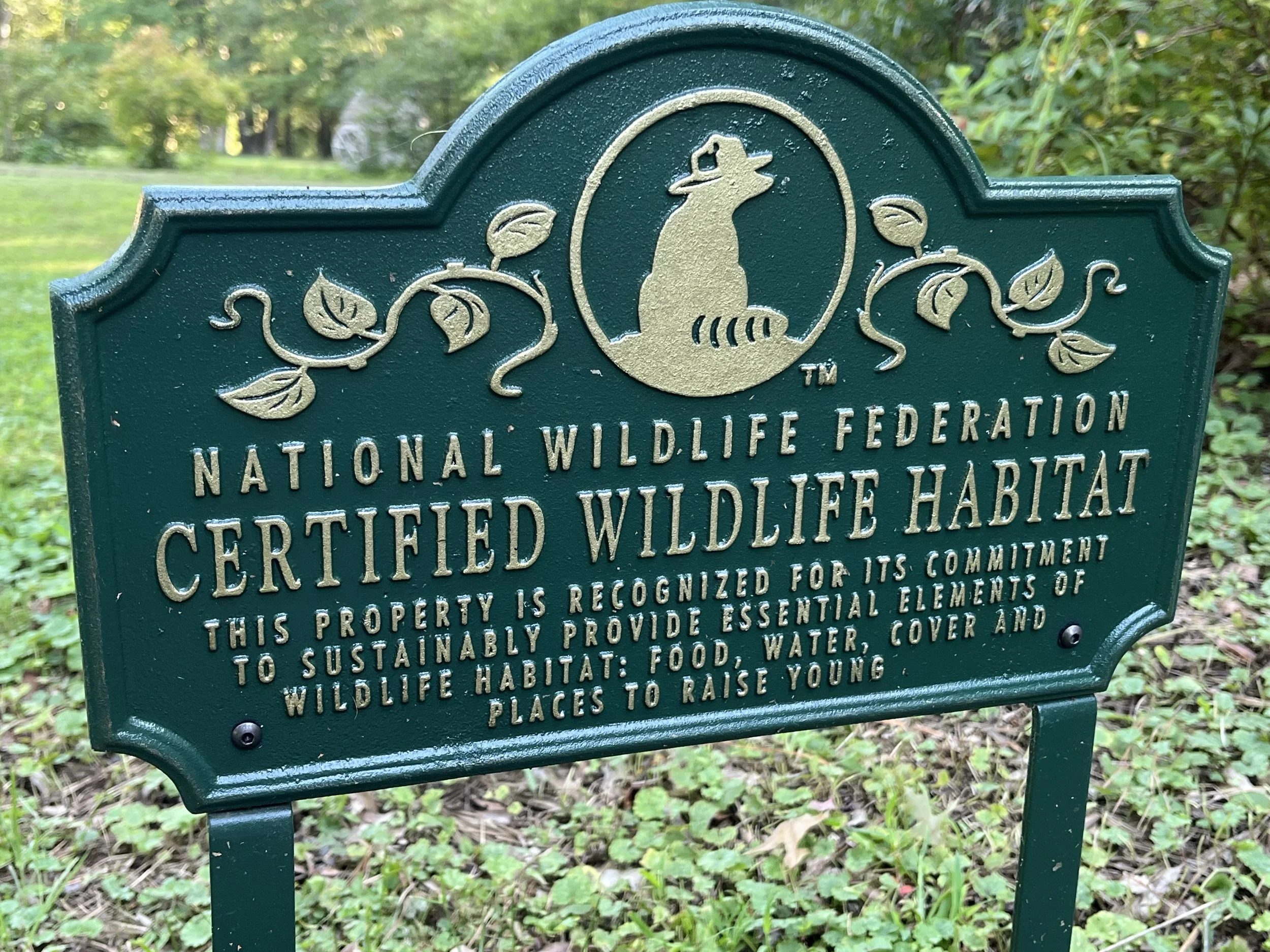
We are proud that our land is certified as a wildlife habitat by the National Wildlife Federation.
Why Healthy Habitats Matter
Forests, wetlands, and waterways provide food, shelter, and breeding grounds for wildlife. Connected natural areas are especially important, allowing species to move between habitats and helping sustain healthy ecosystems.
The Blackbird-Millington region has long been recognized for its conservation value. Protecting mature forests, wetlands, and the wooded corridors that connect them helps preserve the region's biodiversity and natural heritage.
These landscapes also benefit people by supporting water quality, healthy soils, and the natural character of our communities.
A Shared Responsibility
Native wildlife and their habitats face growing pressures from development, habitat fragmentation, invasive species, and other environmental changes.
Delaware's 2025–2035 Wildlife Action Plan identifies 1,019 species of greatest conservation need, including plants and animals whose long-term survival may depend on targeted conservation efforts.
At Blackbird Forest Animal Sanctuary, we believe caring for animals also means recognizing the importance of the natural places they call home. We hope to foster greater appreciation for native wildlife, healthy habitats, and the role each of us can play in protecting the natural world for future generations.
Our Wild Neighbors
The wildlife of this region reminds us that animal welfare extends beyond the animals in our direct care. We believe compassion includes respecting the wild animals who share our landscape. Appreciating native wildlife and understanding the habitats they depend on can foster a deeper connection to the natural world.
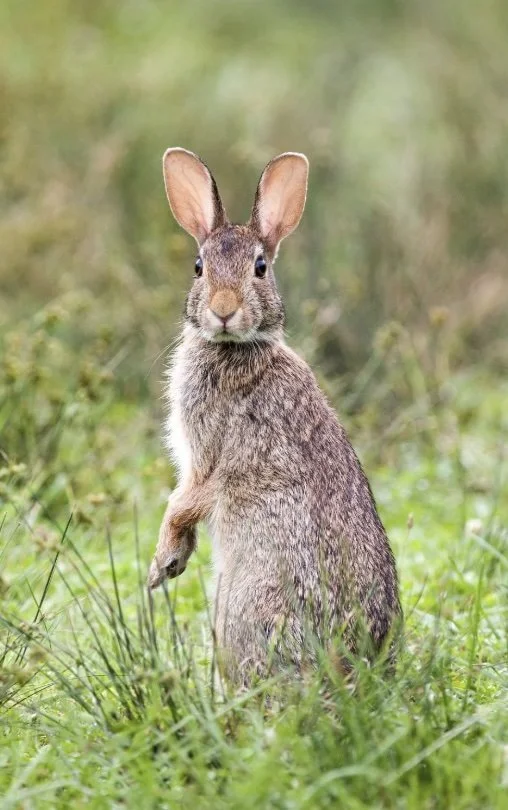
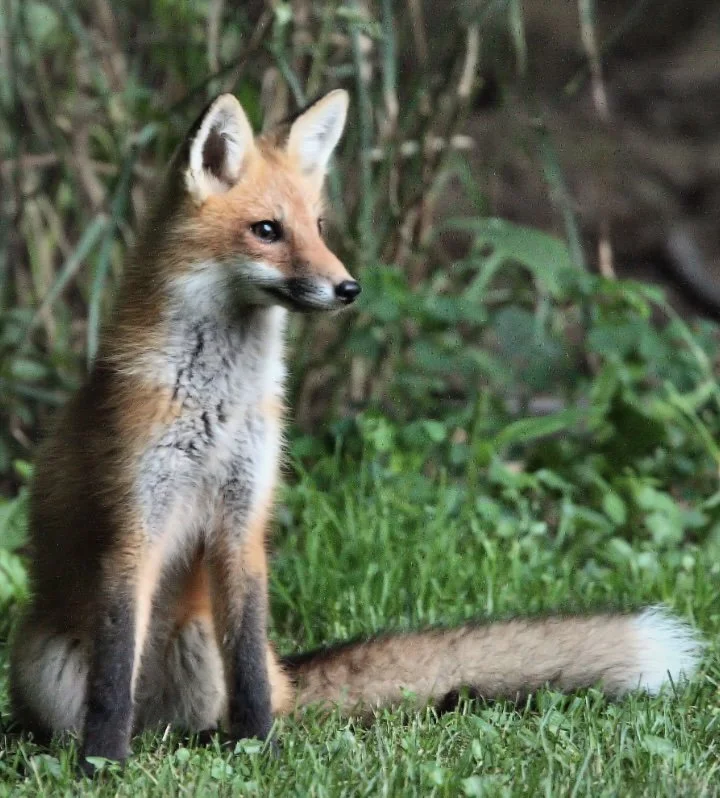
Mammals include white-tailed deers, red foxes, gray foxes, coyotes, raccoons, striping skunks, opossums, American beavers (found along waterways and pond areas), muskrats, eastern gray squirrels, eastern cottontail rabbits, chipmunks, and voles
Blackbird State Forest sits along the Atlantic Flyway, making it a hotspot for resident and migratory birds such wild turkeys American woodcocks, Red-tailed hawks, Cooper's hawks, barred owls, and screech owls.
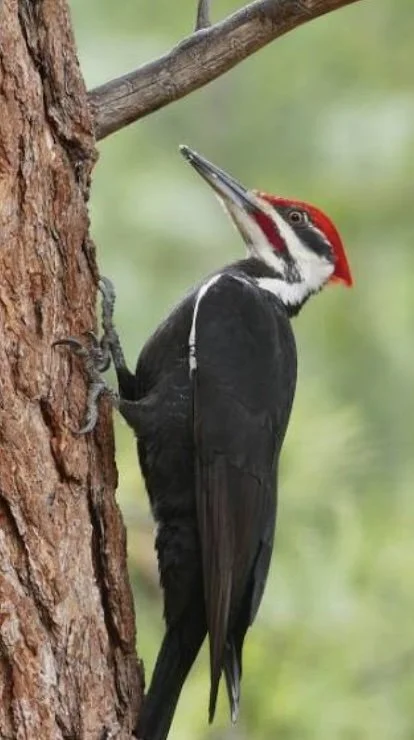
Songbirds & Forest Birds include Wood thrushes, pileated woodpeckers, downy woodpeckers, eastern bluebirds, scarlet tanagers, and various species of warblers during migration.
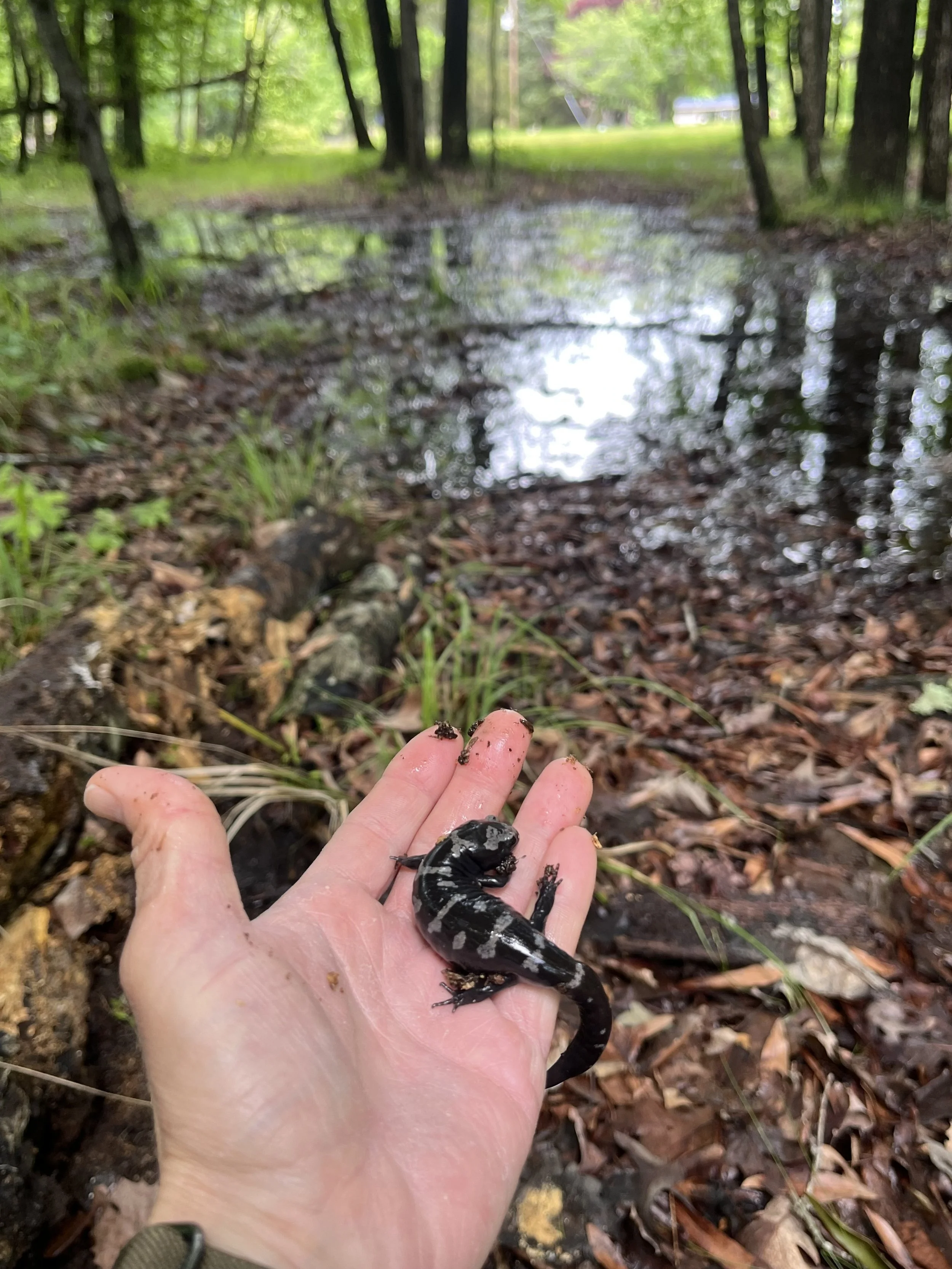
The Delmarva bays and forested wetlands within and adjacent to the forest serve as critical breeding grounds for several native reptiles and amphibians such as the Eastern tiger salamanders and spotted salamanders (both Amphibians of Concern), along with wood frogs, spring peepers, and gray treefrogs.
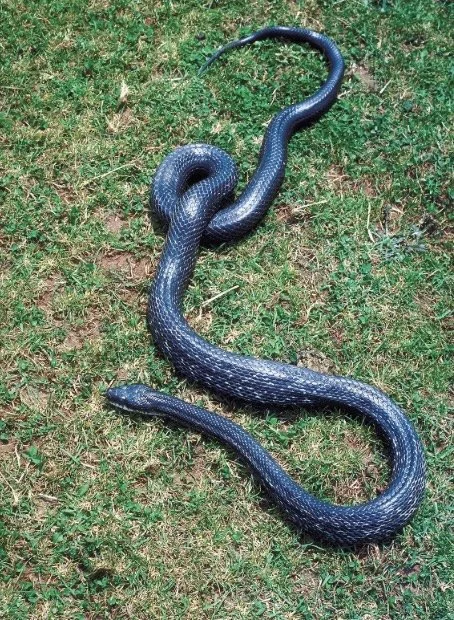
Reptiles include the Eastern box turtles (commonly seen along trails), painted turtles, garter snakes, black rat snakes, and northern watersnakes.